
White House ‘Hostilities with Iran Terminated’: What the Letter to Congress Says
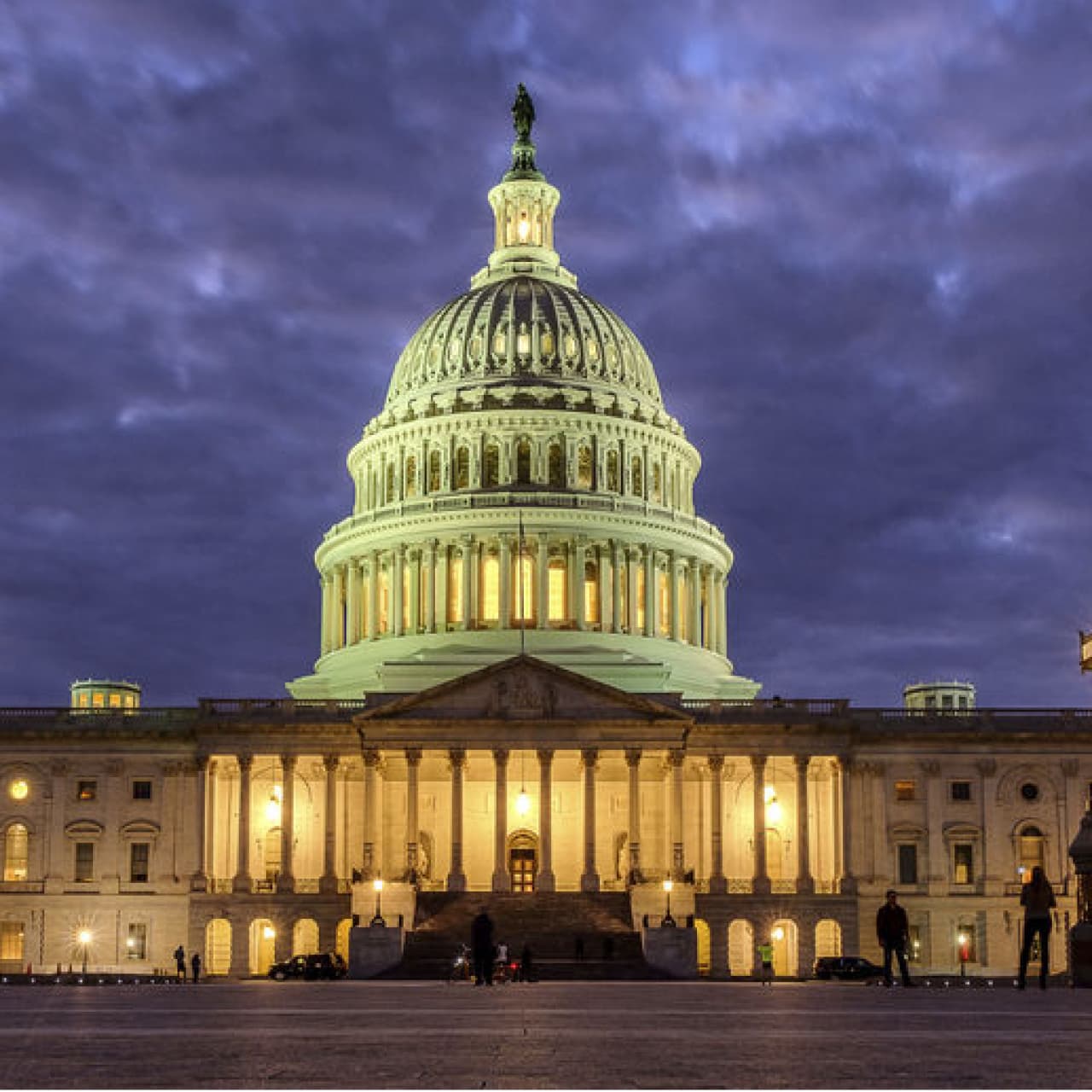
Washington, May 1 2026 — In a letter addressed to House Speaker Mike Johnson and Senate President‑pro‑tempore Chuck Grassley, the White House announced that the “hostilities that began on February 28, 2026 have terminated.” The statement, obtained by multiple news agencies, marks a pivotal moment in the six‑week U.S.–Iran confrontation that began with coordinated airstrikes on Iranian facilities in late February.
The administration’s claim rests on a cease‑fire ordered by President Donald Trump on April 7, 2026, which has allegedly been extended week after week. “Since the cease‑fire there has been no exchange of fire between United States Forces and Iran,” the letter reads. Consequently, the White House argues that the 60‑day deadline set by the 1973 War Powers Resolution—which requires congressional authorization for any hostilities extending beyond two months—no longer applies.
Legal backdrop
The War Powers Resolution obliges a president to notify Congress within 48 hours of deploying forces and to terminate combat operations after 60 days unless Congress passes a further authorization or a 30‑day extension for “unavoidable military necessity.” The Trump administration maintains that the cease‑fire pauses or stops that statutory clock, a position echoed by Defense Secretary Pete Hegseth during a Senate Armed Services hearing on May 1.
Democratic lawmakers, however, dispute the interpretation. Sen. Tim Kaine (D‑Va.) warned that “the statute does not support the administration’s claim that a cease‑fire erases the legal deadline,” and urged the chamber to hold the president accountable. Republican Sen. Susan Collins (R‑Me.) became the first GOP senator to vote against the war‑powers extension, emphasizing that “the deadline is not a suggestion; it is a requirement.”
Cease‑fire vs. ongoing pressure
While the letter declares hostilities terminated, the United States continues to enforce a naval blockade of Iranian ports and maintains roughly 50,000 service members in the broader Middle East. Pentagon officials have repeatedly stated that U.S. forces remain “locked and loaded” and can resume strikes “at the push of a button” if Tehran violates the truce or if diplomatic talks collapse.
Iran, for its part, submitted a fresh peace proposal through Pakistani mediators on April 30. According to the Wall Street Journal, the draft includes “hints of a willingness to compromise” on the reopening of the Strait of Hormuz and limited discussion of its nuclear program, though it stops short of the U.S. demand for a 20‑year moratorium on uranium enrichment.
President Trump expressed skepticism about the Iranian offer, telling reporters, “They want to make a deal, but I’m not happy with it. We have options. Do we want to just bomb the hell out of them, or make a deal?” The White House spokesperson Anna Kelly declined to comment on the specifics of the diplomatic track, reiterating that “Iran can never have a nuclear weapon.”
Economic and regional ramifications
Even as the official hostilities cease, the conflict’s economic shockwaves persist. Global oil markets have felt the strain of the Strait‑of‑Hormuz blockade, pushing Brent crude to four‑year highs. The International Monetary Fund now projects Iran’s economy will contract by 6.1 percent in 2026, with inflation surpassing 73 percent year‑on‑year and unemployment rising sharply—estimates suggest up to 4 million Iranians could be jobless.
Within Iran, rising prices and a deteriorating currency have spurred public unease. Analysts cited by Iran International warn that a protracted blockade could become “more dangerous than war itself,” potentially igniting new protests and threatening the regime’s internal stability.
Political fallout in Washington
The White House’s declaration has intensified a partisan clash over the war powers law. Republican leaders, who have largely backed President Trump’s handling of the conflict, are now split. While many GOP members continue to block resolutions that would force a vote on further authorizations, a growing faction—led by Collins and a few moderate senators—argues that ignoring the statutory deadline sets a dangerous precedent.
Democrats, meanwhile, are pushing a bipartisan amendment that would require the president to submit a detailed withdrawal plan and seek Congress’s explicit consent before any resumption of kinetic operations. The amendment is expected to be debated on the Senate floor this week.
What comes next?
Two key developments will shape the next phase of the U.S.–Iran dispute:
- Negotiations through third‑party mediators. Pakistan, Qatar, Egypt and Turkey are all engaged in shuttle diplomacy. The outcome will hinge on whether Tehran can accept a phased lifting of the blockade in exchange for verifiable limits on its nuclear enrichment.
- Congressional action on the War Powers Resolution. If the cease‑fire holds and the administration does not seek a formal extension, the legal issue may fade. However, any restart of hostilities before a new congressional authorization could trigger a fresh constitutional showdown.
For now, the White House’s assertion that “hostilities have terminated” serves both a legal and political purpose: it seeks to sidestep the 60‑day deadline while keeping diplomatic channels open. Whether the cease‑fire can translate into a lasting peace—or simply a pause before the next round of conflict—remains to be seen.