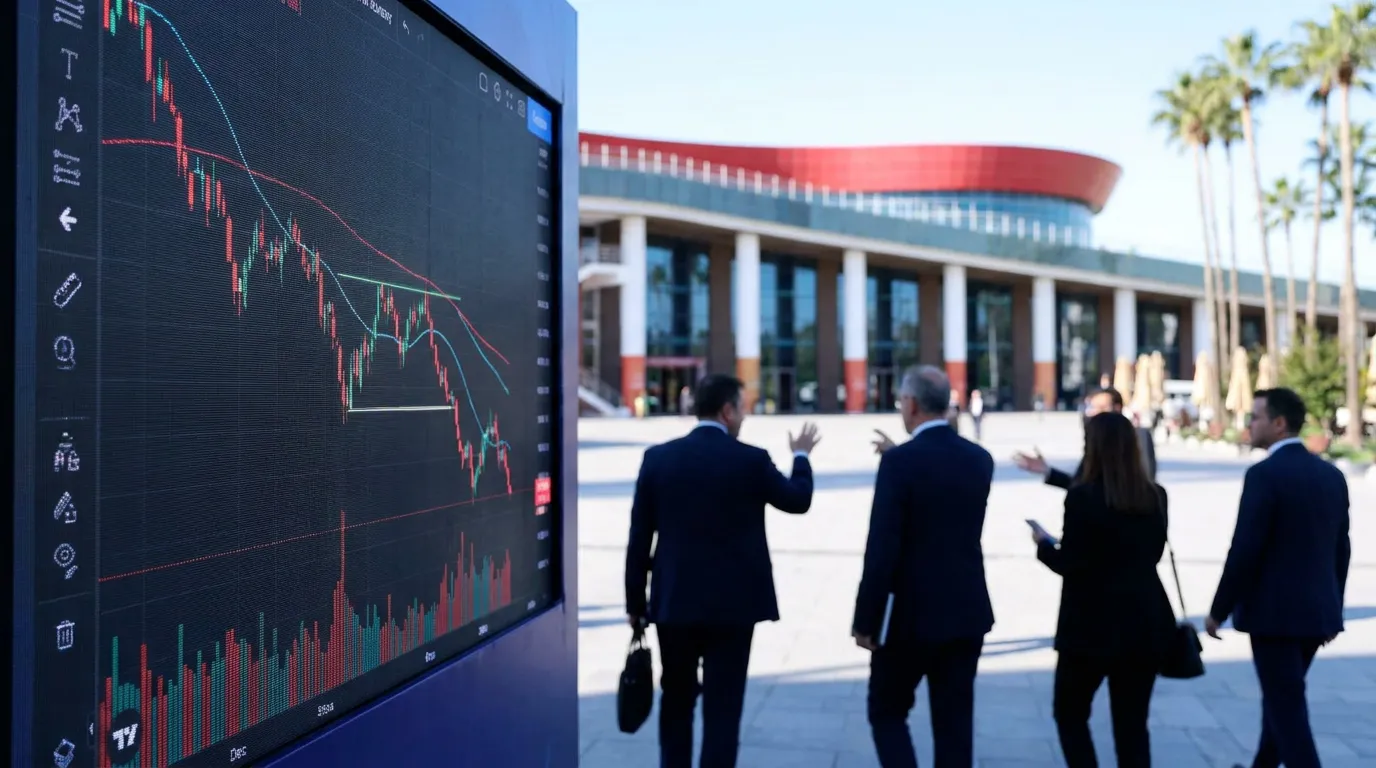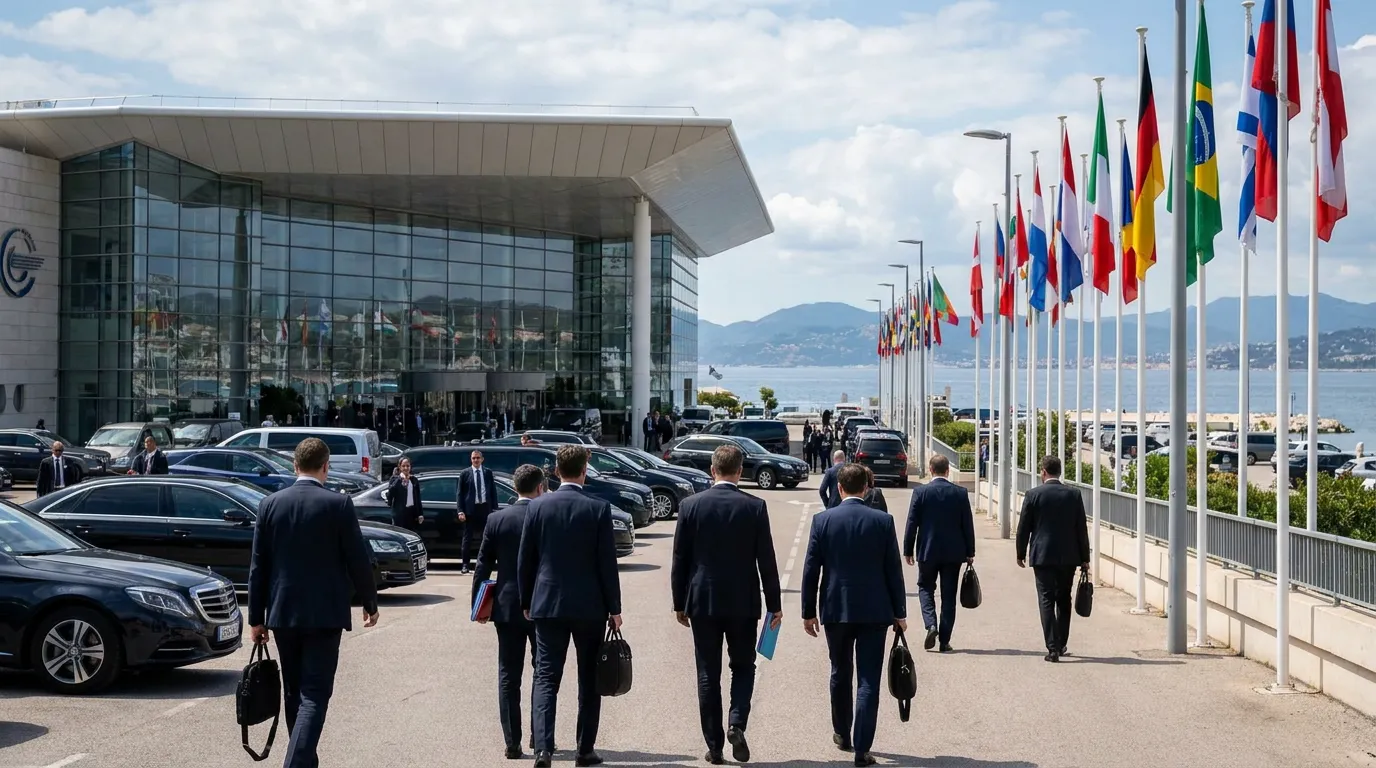
Turkish President Recep Tayyip Erdoğan and United Nations Secretary-General António Guterres opened the two-day World Leaders Climate Action Summit at the COP31 climate conference in the Mediterranean city of Antalya on Wednesday, urging governments to turn long-standing climate pledges into concrete policy.
The high-level segment comes on the third day of the 31st U.N. Climate Change Conference (COP31), which runs from Nov. 9 to Nov. 20 and has drawn more than 90,000 delegates. Hosting the annual summit for the first time, Türkiye is using its presidency to rally international support around a global electrification target while pressing wealthy nations to fulfill their climate financing obligations.
Addressing dozens of heads of state and government at the Antalya Expo Center, Guterres warned that the slow pace of international action had placed the world on a path to "mutually assured destruction".
"Our first climate duty is to tell the truth. The brutal truth is that the climate crisis is outrunning us," Guterres said, noting that global greenhouse gas emissions hit a record high in 2025 and that the past four years were the hottest on record.
The U.N. chief acknowledged that exceeding the 2015 Paris Agreement target of limiting global warming to 1.5 degrees Celsius above pre-industrial levels is now inevitable, but stressed that governments can still restrict the scale and duration of the overshoot. He sharply criticized the oil and gas industry for delaying policy action and urged leaders to tax windfall fossil fuel profits.
"Fossil fuels must go the way of the dinosaurs, but that won't happen on its own. The dinosaurs did not have a lobby, but fossil fuels do," Guterres told the summit.
Erdoğan presses rich nations on climate finance
In his opening address, Erdoğan framed the Antalya conference as an "implementation COP" designed to close the gap between international rhetoric and real-world execution. He argued that consensus reached at previous summits has not been matched by financial delivery, calling on developed nations to assume greater responsibility.
Erdoğan said developing countries and small island states—which have contributed the least to historical emissions but face the most severe climate impacts—require easier access to funding, technology transfer and capacity-building support.
Highlighting Türkiye's domestic targets ahead of its 2053 net-zero emissions goal, Erdoğan noted that the country recently enacted a foundational climate law and raised the share of renewable energy in its installed electricity capacity to more than 60%. He also outlined a 10-point COP31 Action Agenda focusing on clean energy, industrial transformation, food security, ocean protection and Türkiye's signature Zero Waste initiative, which seeks to halve the projected increase in global waste generation.
The '35 by 35' electrification push
At the center of the Turkish presidency's technical agenda is the "35 by 35" pledge, a voluntary initiative to increase electricity's share of global final energy consumption from roughly 23% to 35% by 2035.
While COP28 in Dubai produced agreements to triple renewable power generation capacity and double energy efficiency rates by 2030, the Antalya proposal targets how energy is consumed. The initiative encourages countries to replace fossil fuels used directly in end-use sectors—such as gasoline in transport and natural gas in heating and heavy industry—with clean electricity through electric vehicles, heat pumps and modernized power grids.
According to energy analysts and data from the International Atomic Energy Agency (IAEA), electricity's share of final global energy demand has grown by roughly 0.3 percentage points per year since 2010. Reaching the 35% threshold within the next nine years will require global electrification to advance at nearly four times its recent pace. Several participating nations endorsed the presidency's pledge during Wednesday's sessions, though observers note the target is expected to remain a voluntary benchmark rather than a standalone binding mandate in the final conference text.
Geopolitical tensions and notable absences
The Antalya summit is unfolding under the shadow of global security crises and shifting political priorities. Both Erdoğan and Brazilian President Luiz Inácio Lula da Silva, whose country hosted COP30 in Belém last year, warned that armed conflicts and trade disputes were distracting governments from the climate agenda.
"We started talking more about weapons and tariffs than the survival of future generations," Lula told delegates, while Erdoğan pointed to the humanitarian and environmental toll of conflicts in Gaza and Ukraine, stating that wars and migration heighten the need for international solidarity.
Several major industrialized nations skipped the leaders' segment. The United States stayed away from the summit for the second consecutive year following President Donald Trump's decision to withdraw Washington from international climate cooperation after returning to office in 2025. Top leaders from fellow Group of Seven (G7) economies—France, Germany, Japan, Italy and Canada—were also absent from the two-day gathering.
Following the conclusion of the leaders' speeches on Thursday, technical negotiations will take center stage under a unique power-sharing arrangement struck after a prolonged hosting bid between Ankara and Canberra. While Turkish Environment, Urbanization and Climate Change Minister Murat Kurum serves as COP31 President, Australian Minister for Climate Change and Energy Chris Bowen is presiding over the formal negotiations among the nearly 200 participating parties. High-level ministerial statements are scheduled to resume on Nov. 17 and Nov. 18 ahead of the conference's closing session.
Related: COP31 Climate Summit Opens in Antalya Amid Clashes on Finance