U.S. President Donald Trump said he plans to hold off on new major military strikes against Iran for now after appeals from Gulf allies, though he warned that American forces remain prepared to resume attacks immediately if diplomatic efforts fail.
Speaking on Monday following White House talks with Qatari Prime Minister Sheikh Mohammed bin Abdulrahman Al-Thani, Trump indicated that Washington would maintain its current posture — centered on a strict naval blockade in the Strait of Hormuz — rather than escalating the eight-month conflict.
"At this point, taking the military action doesn't seem to be a very necessary thing," Trump told reporters during a White House briefing. "But we're locked and loaded, ready to go for any reason that changes."
Gulf mediation and naval blockade
In a phone interview with Reuters earlier on Monday, Trump said both Qatar and Saudi Arabia were eager for a peaceful settlement to the war, which the United States and Israel launched against Iran on Feb. 28. He noted that Washington was holding back on wider operations at the request of Iran's neighbors, citing Qatar, Saudi Arabia, the United Arab Emirates, Bahrain and Kuwait.
While saying that Qatar and Saudi Arabia "would rather see a peaceful solution," Trump emphasized to Reuters that U.S. forces are "ready to go anytime we want" if strikes become necessary.
Al-Thani, who also serves as Qatar's foreign minister and has acted as a key intermediary between Washington and Tehran, traveled to the White House after visiting the Iranian capital last week. Following meetings with Trump and Vice President JD Vance, Al-Thani wrote on social media platform X that he was grateful for "positive discussions on reaching a deal and bringing peace to the region."
Trump expressed optimism about the trajectory of the talks, telling reporters that "Iran, militarily, is effectively over" and that he saw momentum toward ending the conflict "fairly soon." However, Reuters reported that senior U.S. and Gulf officials remain skeptical about the prospects of an imminent agreement, as Trump has thus far declined to accept an existing Iranian truce proposal.
Ongoing clashes and economic impact
Despite the push for a diplomatic off-ramp following last week's U.S. midterm elections, low-level hostilities and maritime disruptions persist across the region.
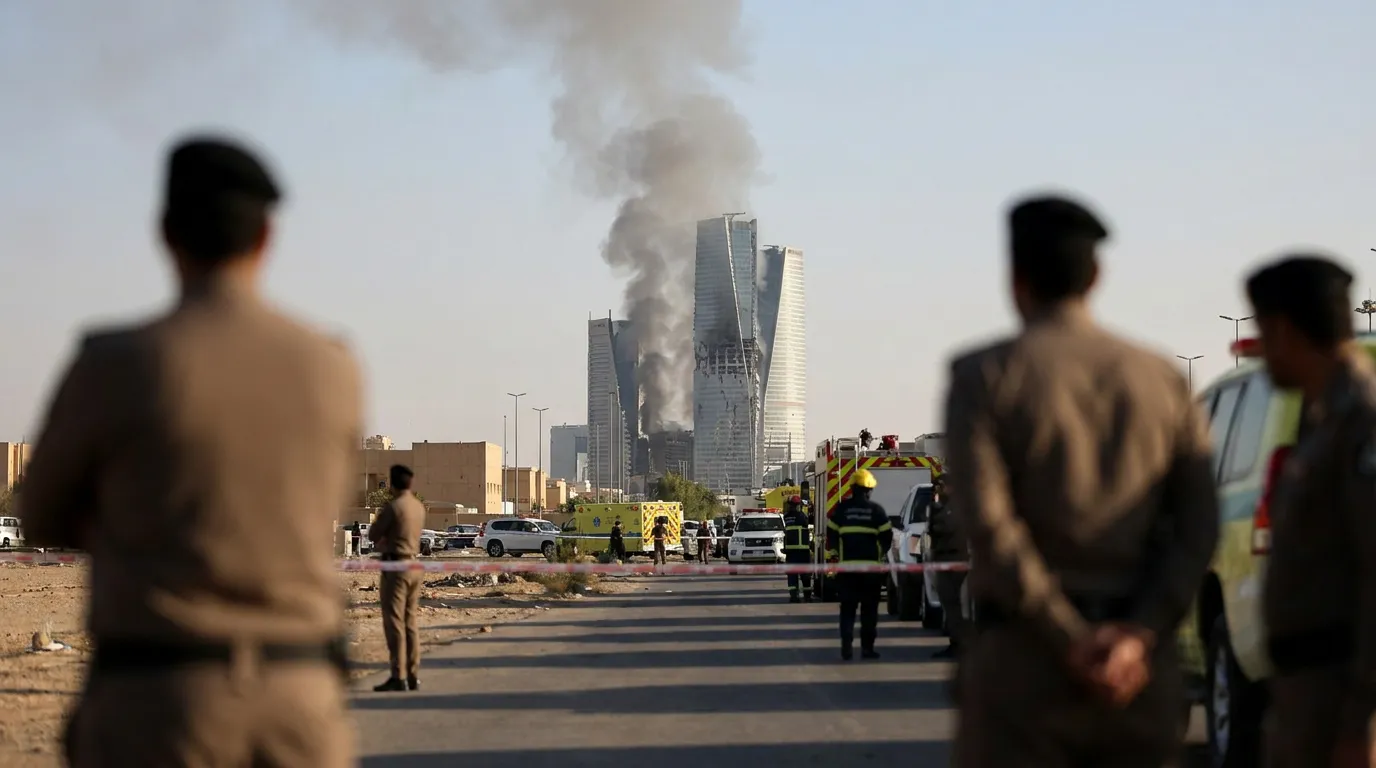
According to Iranian state media, U.S. forces carried out strikes overnight on Iran's Qeshm Island. A senior Iranian source told Reuters the attacks targeted radar systems used for air defense and ship navigation, as well as missile launcher bases and mine-laying equipment. Meanwhile, attacks on commercial tankers in the Persian Gulf and the Strait of Hormuz surged in October to their highest rate since the war began, while Iran-aligned Houthi forces in Yemen have continued strikes against Saudi Arabia.
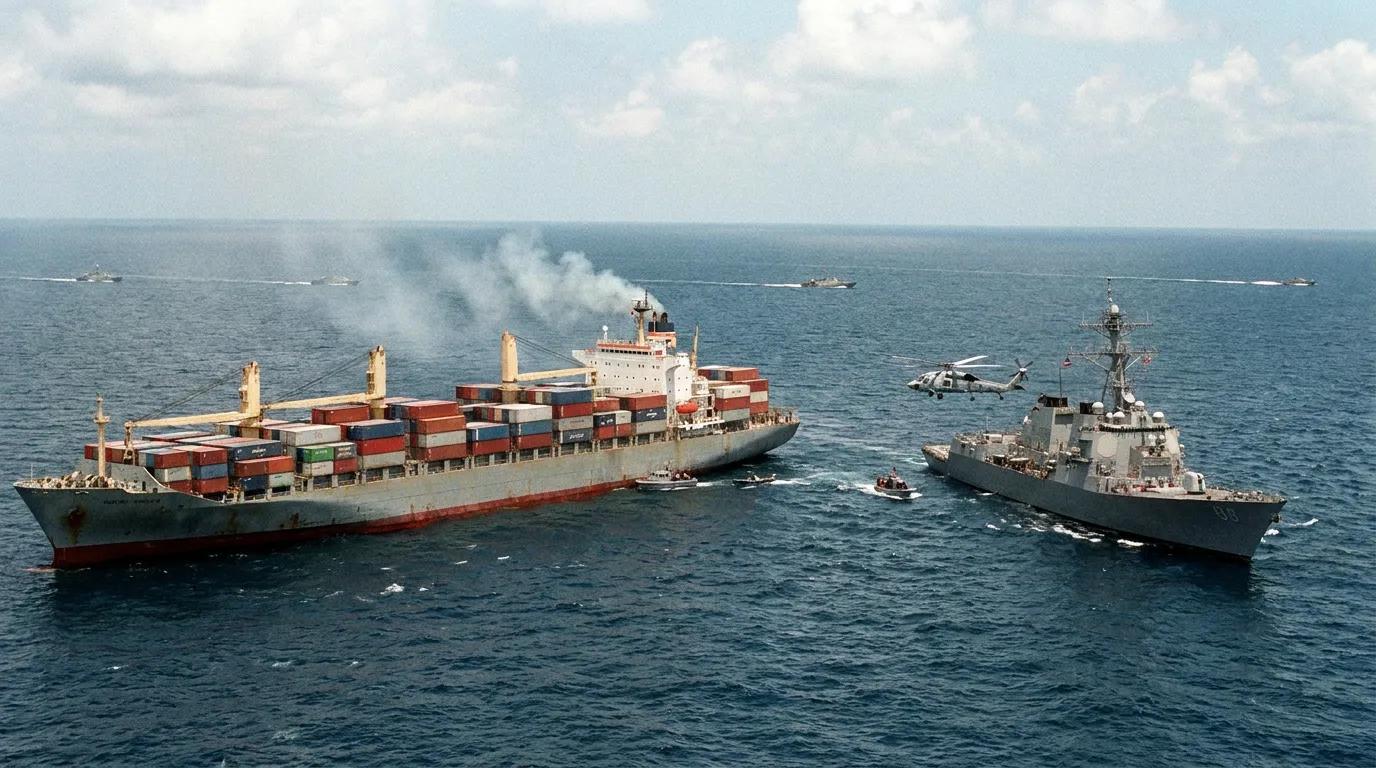
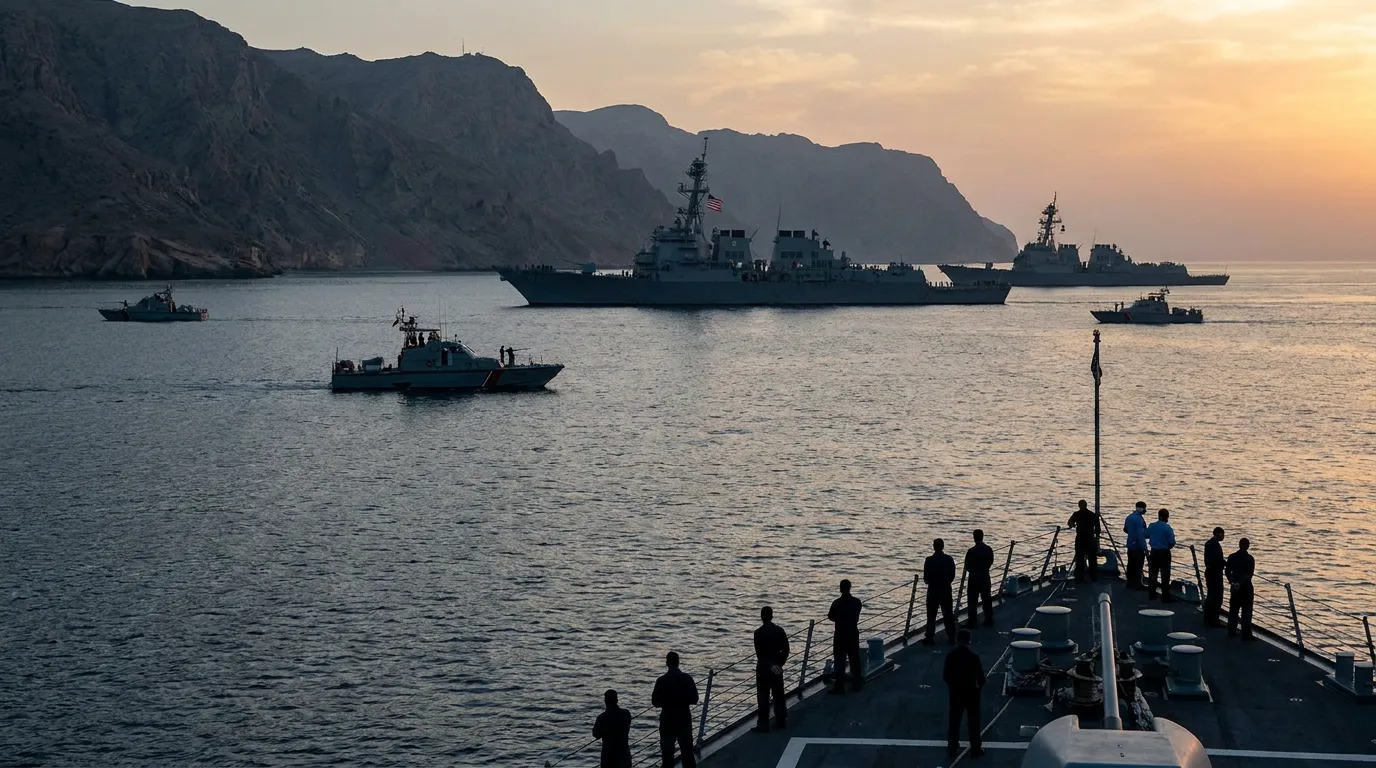
Rather than launching a broader offensive, Trump said he was satisfied with maintaining the U.S. naval blockade in the Strait of Hormuz, a vital global energy chokepoint. According to the United Kingdom Maritime Trade Operations (UKMTO), weekly vessel transits through the strait remain roughly 65 percent below pre-war levels, with 170 outbound and 155 inbound movements recorded in its latest weekly report.
The prolonged disruption to Gulf shipping has kept global oil and U.S. gasoline prices elevated for months. The economic strain weighed heavily on last week's midterm elections, in which the Republican Party lost control of both chambers of the U.S. Congress.